
 Another significant pitfall is poor documentation. In the construction industry, keeping accurate and comprehensive records of all transactions, communications, and changes to the project is crucial. Without proper documentation, it becomes difficult to resolve disputes, as parties may have differing recollections of agreements made. Maintaining a detailed log of all project-related activities can serve as a protective measure against potential disputes.
Additionally, maintaining a focus on collaboration rather than confrontation can facilitate smoother conflict resolution. Encouraging open dialogue between parties can help uncover the underlying issues and lead to mutually agreeable solutions. Emphasizing the importance of maintaining professional relationships can motivate parties to work together towards resolution.
Additionally, effective communication can facilitate better collaboration between contractors, subcontractors, and project managers. When all parties are aligned and informed, there is a greater likelihood of successful project execution, resulting in fewer unexpected costs. Therefore, fostering a culture of transparency and communication can be a critical component in managing the hidden costs associated with bonded construction work.
Understanding Bonding in Construction Projects
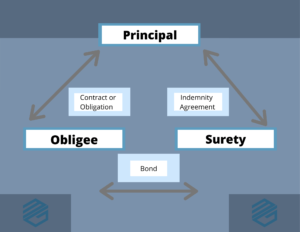
Bonding in construction is a mechanism that protects clients from potential losses caused by contractor defaults. It involves a third-party surety company that ensures the contractor will fulfill their obligations as outlined in the contract. This process, while designed to provide security, can also introduce a range of hidden costs. For instance, the fees associated with obtaining a bond can vary widely based on the project's size and complexity. In many cases, these costs can exceed initial estimates, resulting in unexpected budget constraints.
What happens if a contractor fails to fulfill their obligations?
If a contractor fails to fulfill their obligations, the surety company will step in to cover the financial losses incurred by the project owner, ensuring that they are compensated for any damages.
 Weighing the pros and cons of bonded construction work reveals a complex landscape of both benefits and challenges. To expand on this point, see construction performance bond guidance for a clear overview. On the one hand, bonding provides essential financial protection and credibility for contractors. On the other hand, the associated costs and complexities can create hurdles that stakeholders must navigate carefully. A thorough understanding of these factors is critical for anyone involved in bonded construction projects to ensure successful outcomes.
 Next, you’ll want to gather all necessary documentation, including financial statements, resumes, and project references. These documents will help the surety company evaluate your qualifications. Once prepared, you can approach a surety bond provider to discuss your options and begin the application process. Be transparent about your business history and project experience, as this will aid the surety in making an informed decision.
 When embarking on a construction project, securing the right financial assurances is crucial. One of the most effective means of ensuring project completion and compliance is through surety bonds. These bonds serve to protect all parties involved, including project owners and contractors, by guaranteeing that contractual obligations will be fulfilled. However, many individuals and businesses often find themselves asking, "How can I quickly obtain a quote for a surety bond?" This article aims to provide a detailed overview of the entire process, ensuring you are well-informed and ready to take the next steps.
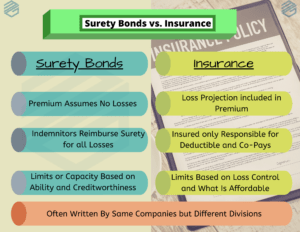
It's also essential for contractors to recognize that surety bonds are not insurance. Unlike insurance, which protects the contractor from losses, surety bonds protect the project owner from the contractor's failure to perform. This distinction is critical as it emphasizes the contractor's obligation to fulfill their contract, further underscoring the importance of understanding and managing the risks associated with surety bonds.
Managing Public Projects Effectively
Once a public project is secured, effective management is essential to ensure successful completion. This involves coordinating various aspects of the project, including scheduling, budgeting, and quality control. Regular monitoring and reporting can help keep the project on track and within budget.
 Bid bonds are often required during the bidding process, providing a financial guarantee that the bidder will enter into the contract if awarded. Maintenance bonds, on the other hand, protect the owner against defects in workmanship or materials for a specified period after project completion. Understanding these distinctions is crucial for selecting the appropriate bond for your needs. This knowledge not only aids in compliance with legal requirements but also enhances your credibility with clients.